Oman's $475 million Mazoon copper project is set to start production in early 2027
Minerals Development Oman expects the sultanate's largest integrated copper concentrate project, in Yanqul, to begin operations in the first quarter of 2027. The target is around 115,000 tonnes of copper concentrate a year.
Oman is getting ready to open a new chapter for its mining industry. The Mazoon Copper Project, in the Wilayat of Yanqul in Al Dhahirah Governorate, is due to start operating in the first quarter of 2027, the Oman News Agency (ONA) reported over the weekend, a timeline picked up by Forbes Middle East.
The project represents an investment of about OMR 183 million, or roughly $475 million, and is described by ONA as one of the largest integrated copper concentrate developments in the sultanate.
What the mine will produce
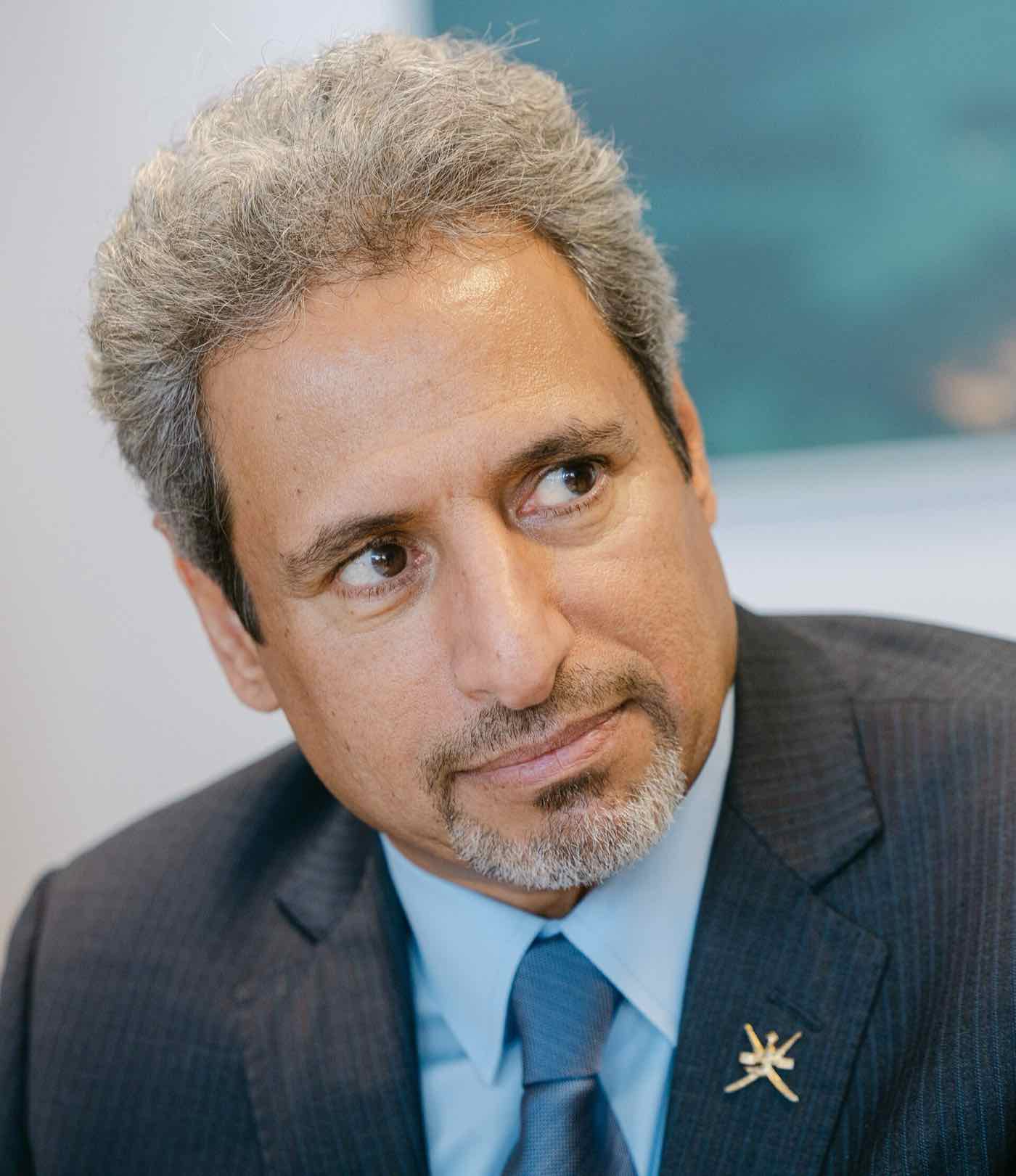
Eng. Matar bin Salem Al Badi, Chief Executive Officer of Minerals Development Oman, told the agency that construction work should be finished during the first quarter of next year, ahead of commercial output.
The key figures he shared:
- Output: around 115,000 tonnes of copper concentrate a year, at a grade of up to 21.5%;
- Footprint: about 20 square kilometres, with six open-pit mines;
- Processing: capacity of roughly 2.5 million tonnes of ore a year;
- Reserves: an estimated 29 million tonnes of copper ore, for a production life of around 10 years, with exploration continuing to extend it.
The ore, which contains about 1% copper when it comes out of the ground, will be upgraded at the company's concentration plant to around 21.5%. Mining operations and services have been entrusted to China's Hongda International, chosen on technical and financial criteria, according to Al Badi.
A bonus in gold
The deposit also holds gold, at between 0.5 and 0.8 grams per tonne, levels the company considers economically viable. Metallurgical studies are under way to find the best way to recover it and add value to every tonne mined.
Export first, smelter later
For now, the concentrate will be sold on international markets. The volumes expected are not yet large enough to justify a domestic smelter, Al Badi explained, but higher production in the future could open the door to building one in Oman and keeping more of the value chain at home.
A wider mining push
Minerals Development Oman holds 14 mining concession areas across the country. Its pipeline includes the Shuwaimiyah Port project, where construction is expected to begin next year, along with mineral processing and manufacturing projects aimed at exporting fewer raw materials.
The company's planned investments approach $1 billion, while its current assets are valued at around OMR 330 million ($857 million), Forbes Middle East notes.
The timing matches a growing global appetite for copper, driven by power grids, electric vehicles and the data centres that run artificial intelligence. Forbes Middle East cites the International Energy Agency, which projects global copper demand to rise by 7 million tonnes by 2040.